
In the recent survey report by Jackson Physician Search and LocumTenens.com, “Is Medicine Still a Calling?” 81% of clinicians who responded felt that being a clinician is an integral part of their identity.
The notion that medicine is more than just a job isn’t new. In 1967, Dr. D. Emerick Szilagyi, MD, wrote about the concept of the physician as a savant, saint, or servant — an idea that resonates with many in the medical field, underscoring the multifaceted realities of life as a practicing doctor. While extensive training in medical school and hands-on experience build a foundation of technical expertise, practicing medicine is ultimately more involved; it’s a career intertwining scientific rigor, human compassion and the navigation of difficult bureaucratic systems.
The cost of a career in medicine
Not many professions in the U.S. demand such a balance between the mastery of life-saving techniques, care for others and the will to serve. Physicians and advanced practice providers (APPs) walk a tightrope line while taking on the responsibility of their patients’ wellbeing.
Time is also a consideration. The nine-to-five workday is a fantasy for those delivering patient care. Long shifts, calls that might come at any time and the pressure of high-stakes decision-making take a toll on practitioners’ personal lives and time spent with family. It is expected that clinicians will miss milestones, sacrifice normal weekend leisure time while operating at the top of their abilities.
Compensation is a contradiction. Physician pay is generally perceived as high, but medical training is unanimously accepted as a creator of tremendous personal debt, a high-stress crucible which we are all expected to overcome. Additionally, compensation topics rarely take into account the arduous workload and emotional pressure that are considered par for the course across most medical specialties. When compared to the intensity and meaning of medical work, is compensation really so high?
As a practicing surgeon, I am often reminded of the movie Whiplash, an exaggeration to be sure, but a vivid depiction of high-pressure work that demands excellence — and one which medical practitioners may find relatable.
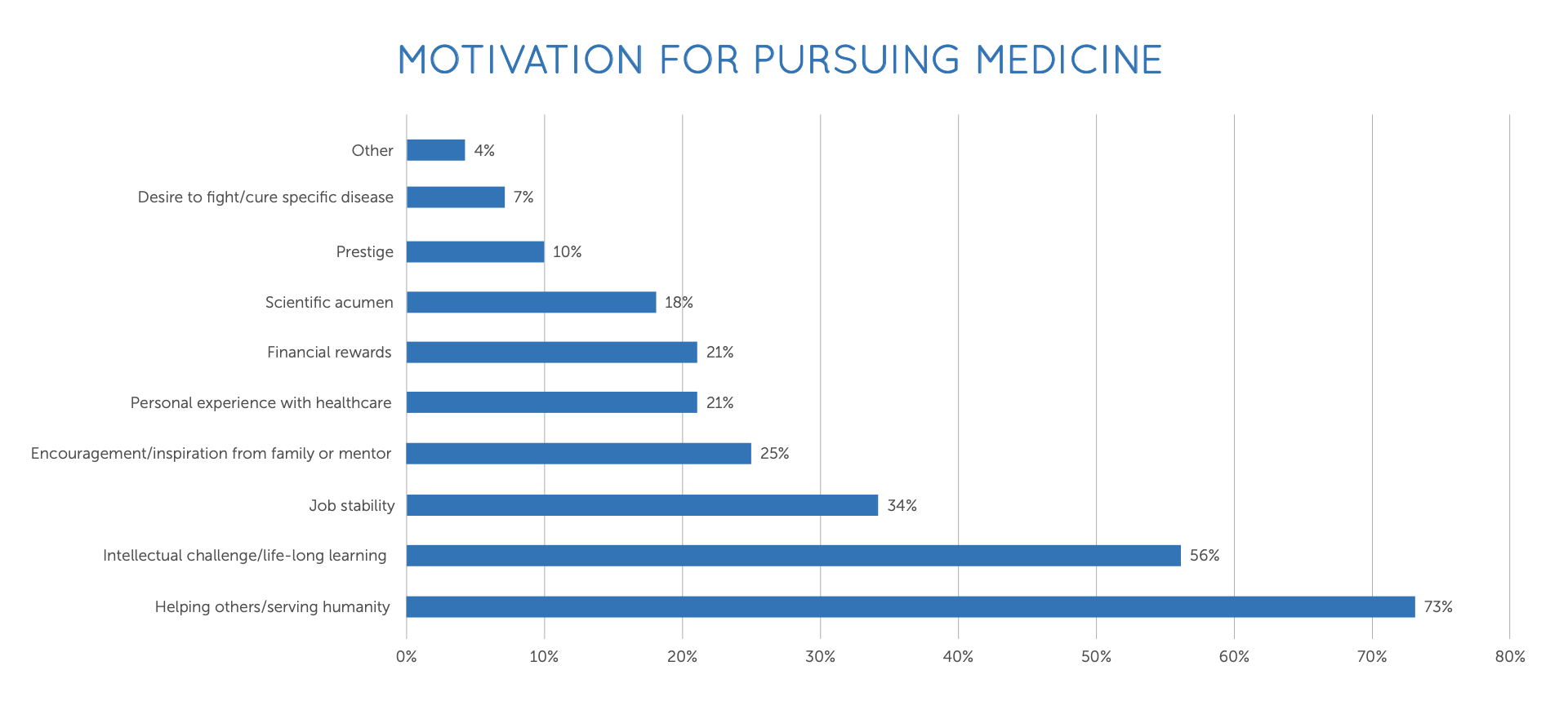
Source: Is Medicine Still a Calling? (LocumTenens.com and Jackson Physician Search, 2025)
We went into medicine to help people. Nearly three-quarters of survey respondents in the report cited a desire to help others and serve humanity as a primary motivator for their decision to practice medicine.
The challenges of a career in medicine today
A career in practicing medicine brings with it a panoply of obstacles extending beyond the clinical expertise for which clinicians have been rigorously trained. Physicians and APPs are tasked with navigating challenges that often feel at odds with their dedication to providing care.
- Administrative hurdles: An excess of paperwork, negotiating insurance and regulatory compliance take time — often, time that is meant for patient care. Reduced administrative burden was a top answer that respondents provided in response to the question “What could strengthen your ability to live out your life’s purpose?”
- “Always-on” work: Many clinicians feel they are expected to be available 24/7, whether that means responding to patient messages, managing their on-call duties, or completing electronic medical record (EMR) work even when at home. Setting reasonable boundaries is necessary but challenging in this line of work.
- Butting heads with “Dr. Google”: Between the proliferation of search-driven web articles discussing medical conditions and the meteoric rise of user-friendly generative A.I. solutions like ChatGPT, patients are increasingly self-diagnosing based on their own brief research. Obviously, this can complicate care and patient education.
These difficulties add up. On top of the everyday sacrifices that come with a career in medicine, there is little wonder that nearly one-third of respondents said they are planning to leave their employer in the next 1-3 years.
Why reconnecting with your calling in medicine matters
Despite these and other difficulties in an evolving industry, most mission-driven clinicians will agree that having a positive impact in a patient’s life is unparalleled. This is why physicians keep going even against the strong headwinds of imperfect systems. In fact, 77% of survey respondents said the positive outweighs the negative. It’s worth taking into account that those numbers are after a multi-year global pandemic that put extraordinary strain on these clinicians—and they continue to press forward.
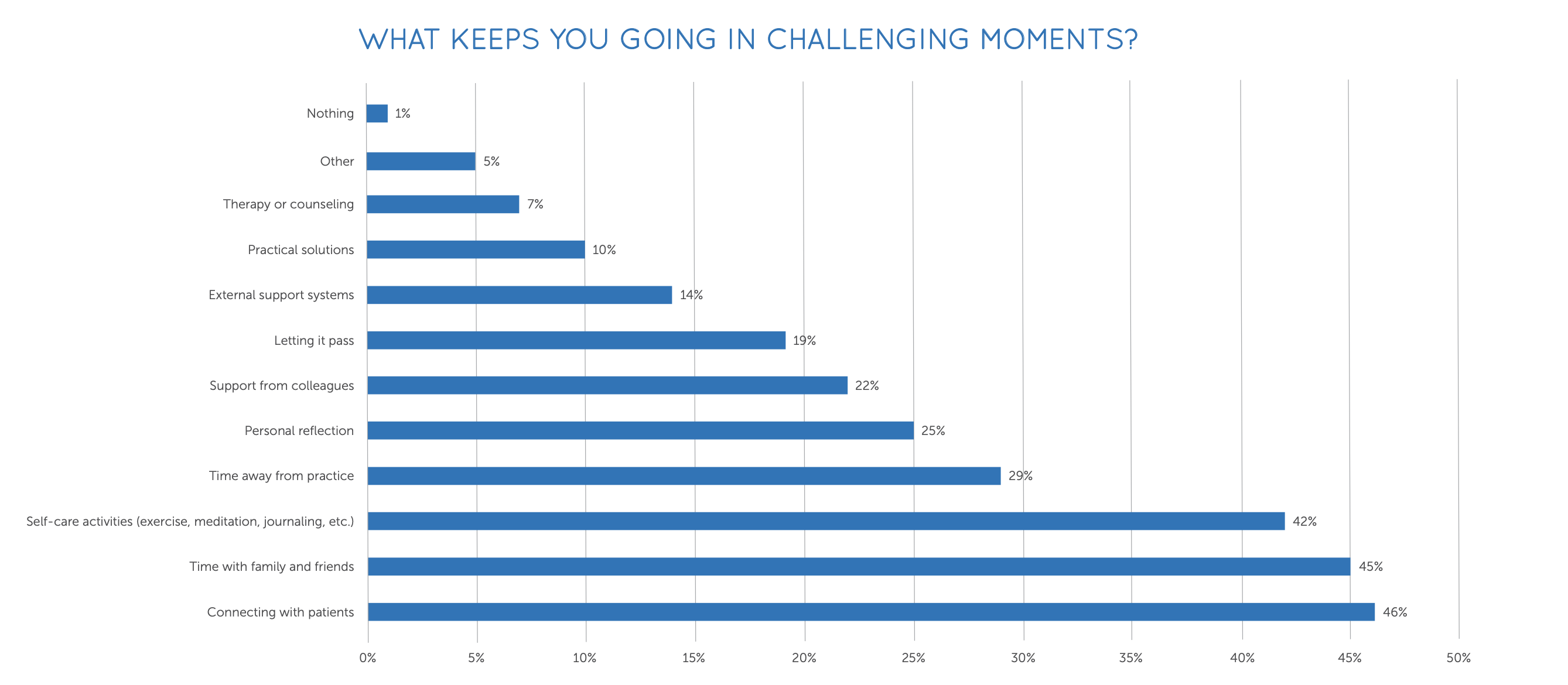
Source: Is Medicine Still a Calling? (LocumTenens.com and Jackson Physician Search, 2025)
Physicians continue their work not for its ease but because their calling is deeply ingrained in who they are. Looking through Dr. Szilagyi’s lens, the “savant” aspect (pursuing knowledge and skill) forms the foundation, but over indexing on the “saint” mindset can exhaust clinicians’ emotional reserve due to moral injury and the demands of patients and the industry at large.
For medical practitioners struggling to stay connected to their purpose in medicine, pursuing work that is more flexible and offers work-life balance can refresh this motivation. It is imperative for those in administrative positions to work closely with their physicians and APPs to ensure they can work in a way that is congruent with their training, their beliefs and their identity as providers of medical care.
If you are a clinician who is no longer feeling inspired by your calling — or if you manage a team of medical practitioners and want to reconnect them with their original calling —download the report today to get insightful, inspirational and valuable data and testimonials from today’s hardworking clinicians.
About the author
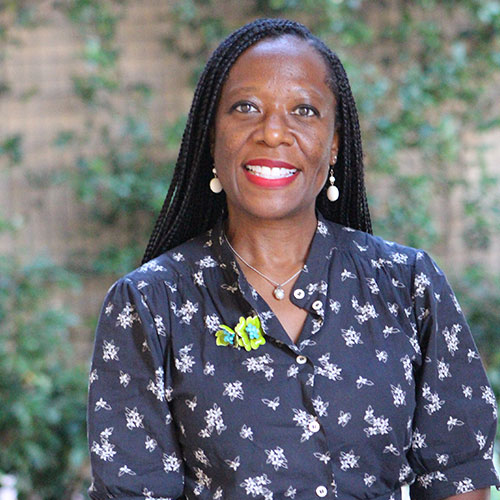
Miechia A. Esco
Dr. Miechia Esco is a board-certified locum tenens Vascular Surgeon and Chief Medical Resource Advisor at LocumTenens.com. A physician licensed in 15 U.S. states and territories, Dr. Esco has been practicing locums medicine for over a decade with a focus on delivering high-quality care to underserved communities. She has trained and practiced in various environments, including academia, military medicine and private practice, and holds expertise in vascular surgery and wound care pathologies. Over the course of her career, Dr. Esco has also been instrumental in the enhancement of vascular surgery service lines, helping connect more patients with the care they need.
Dr. Esco utilizes her unique expertise to positively impact the healthcare staffing industry and locum tenens medicine. She has been instrumental in helping advance clinicians, playing a key role in the launch of strategic technology initiatives and in enhancing the clinician and associate experience. Prior to her current role, Dr. Esco served as a consultative member on LocumTenens.com’s Customer Advisory Board for several years. She started her clinical career in private practice and is a former Major in the United States Air Force.
Dr. Esco earned a bachelor’s degree in molecular biology from Hampton University and completed the M.D./PH. D. program (Cell Biology) at Wayne State University. Her postgraduate training in General Surgery was completed at the University of Massachusetts, Thoracic Surgery at Keesler Air Force Base/Biloxi Veterans Affairs Hospital, Vascular Surgery at the Detroit Medical Center and Master of Business Administration from Brandeis University.
Throughout her tenure, Dr. Esco has received various awards and was named National Staffing Employee of the Year by the American Staffing Association in 2023. She is a member of the American College of Surgeons, Society of Vascular Surgeons and Sigma Xi Scientific Research Society.