
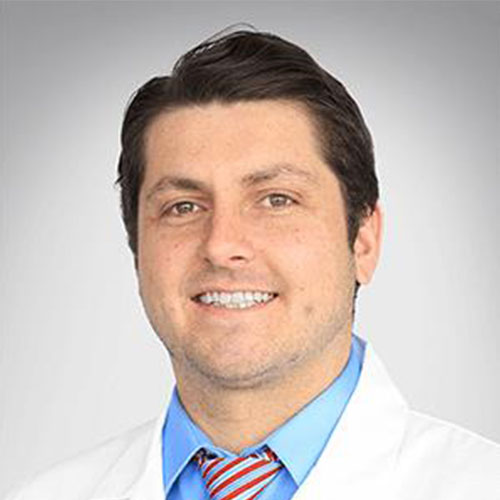
Dr. Jonathan Goldstone
Originally from Denver, Dr. Goldstone completed both his undergraduate and graduate studies in biomedical science at Colorado State University, where his commitment and passion for a career in medicine grew. He went on to attend the American University of the Caribbean for medical school, completing his clinical rotations in Long Island and the Bronx, and was fortunate to match— and now be nearing completion of — his residency training at UPMC Williamsport in Pennsylvania.
Dr. Goldstone shares thoughtful insights and perspectives from his residency journey—what shaped his path, the lessons he’s learned and advice he wishes every future physician knew.
What motivated you to choose family medicine?
I chose family medicine because I was motivated by the breadth and continuity of care. I love the idea of being able to care for patients of all ages —from newborns to the elderly — and across multiple systems and settings. It’s intellectual stimulation every day.
Additionally, the ability to build longitudinal relationships with patients and their families is incredibly rewarding. Being there for a person through major life events, seeing their kids grow up and helping them manage chronic illness over years is what drew me in. I wanted to be the first point of contact and their health advocate.
What impact do you strive to have on your patients?
I want my patients to understand their health conditions and treatment plans completely. My goal is to move beyond just prescribing to genuinely partnering with them in their health journey.
I aim to recognize the social and economic factors (social determinants of health) that impact a patient's well-being and help them navigate those complexities. At the end of the day, I want them to know they have someone in their corner who sees them as a whole person, not just a list of symptoms.
“I strive to be a source of clarity, empowerment and reliable, holistic care.”
-Dr. Jonathan Goldstone
What is your perspective on contract work and locum tenens assignments?
I have a generally positive perspective on contract work and locum tenens, especially as a strategy early in one's career. It’s a great "test drive" that allows you to experience different practice settings (e.g. rural vs. urban, private vs. academic) and geographic areas without a long-term commitment. This experience is crucial for figuring out what you truly want in a permanent job.
It's also often highly lucrative, allowing a new physician to quickly pay down debt or save money.
Can you offer any advice to aspiring residents or medical students?
My best advice is to be authentic and enthusiastic about family medicine.
For medical students: Be genuinely curious about everything. Learn to present a patient concisely and think like a primary care physician. Focus on common things, preventative care and understanding the patient's context. When interviewing, be able to articulate why you are choosing this broad field over the sub-specialties.
For aspiring residents: Highlight your experiences that demonstrate adaptability, communication skills and commitment to serving diverse populations. Family medicine programs look for well-rounded individuals who can handle uncertainty and have a passion for community health. Show them you can handle whatever walks through the door.
What are some of the benefits that might attract you to locum tenens assignments?
The main draws for me would be:
- High compensation and debt paydown: The ability to command a higher rate of pay is the most significant draw, offering a fast track to financial independence.
- Flexibility and autonomy: You often choose when and where you work. This allows for scheduled long breaks for travel or personal life, which can be fantastic for work-life balance.
- Broad clinical experience: Working in different — often underserved—settings forces you to sharpen your skills and become comfortable managing a wide variety of pathologies with limited resources. It accelerates your clinical maturity.
With the hurdles that come with residency, locums can provide support and opportunities. Whether you're looking for flexibility, exposure to different environments or a chance to grow your skills, visit our clinician resource page to see what locums can do for your career.